
Banned Dog Breeds in Canada: What Pet Owners Need to Know Before Moving
If you’re planning to relocate to Canada with your pet, you may be wondering whether there are any banned dog breeds in Canada. The answer is a little more complicated than a simple yes or no.
Unlike some countries that prohibit specific breeds nationwide, Canada does not have a federal ban on any dog or cat breed. Instead, breed-specific legislation (BSL) is created by individual provinces and municipalities, meaning the rules can vary significantly depending on your destination.
Understanding these regulations before your move can help you avoid unexpected delays, legal issues, or even being denied entry into certain municipalities.
Table of Contents
Does Canada Have Banned Dog Breeds?
No. Canada does not have a nationwide list of prohibited dog breeds. Instead, provinces and municipalities establish their own regulations regarding certain breeds they consider higher risk. This means your dog may be perfectly legal in one Canadian city while facing restrictions in another.
If you’re relocating to Canada, it’s essential to research both:
- Provincial legislation
- Municipal bylaws
before making travel arrangements.
Ontario: Canada's Broadest Breed-Specific Legislation
Ontario has the most comprehensive breed-specific legislation in Canada under the Dog Owners’ Liability Act.
The province restricts:
- American Pit Bull Terrier
- Pit Bull Terrier
- American Staffordshire Terrier
- Staffordshire Bull Terrier
- Dogs that substantially resemble these breeds
The legislation generally prohibits importing, breeding, transferring ownership, or acquiring these dogs within Ontario, although certain grandfathering provisions apply to dogs that were already legally present before the legislation came into force.
Because the law has evolved over time and enforcement may vary depending on circumstances, pet owners should always verify the current provincial requirements before traveling.
Municipal Breed Restrictions Across Canada
Outside Ontario, most dog regulations are established by individual municipalities rather than provincial governments. While some municipalities have breed-specific legislation, many others focus on responsible pet ownership and the behavior of individual dogs.
Because municipal bylaws can change over time, it’s always a good idea to check the regulations for your destination city before relocating with your pet.
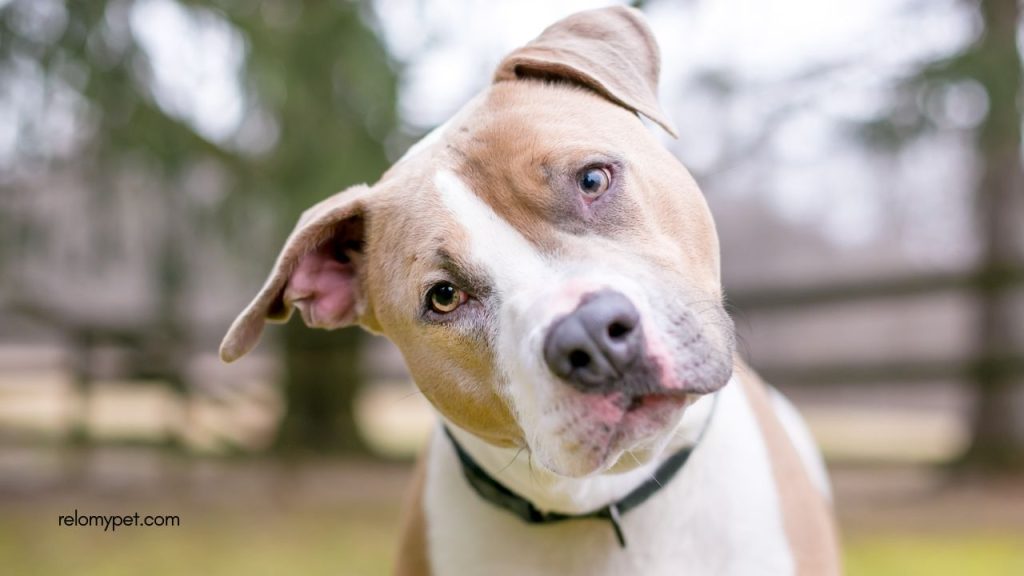
Winnipeg, Manitoba
Winnipeg prohibits dogs that are identified as:
- American Pit Bull Terrier
- American Staffordshire Terrier
- Staffordshire Bull Terrier
- and many mixed-breed dogs with similar physical characteristics.
Edmonton, Alberta
Edmonton does not prohibit specific dog breeds. Instead, the city regulates dogs based on their behaviour under the Animal Care and Control Bylaw 21244, which came into effect on May 19, 2026.
For dogs that have been officially designated as vicious, additional requirements may apply, including:
- Mandatory warning signage on the property
- Behaviour training requirements
- Increased fines, including higher penalties for repeat offences
The bylaw also introduced a graduated system of fines for dogs involved in attacks.
Edmonton requires all dogs and cats over six months of age to have a valid City of Edmonton pet licence. The licence includes a microchip, helping reunite lost pets with their families more quickly.
Calgary, Alberta
Calgary also follows a breed-neutral approach, focusing on responsible ownership rather than breed.
Key requirements include:
- All dogs over three months of age must have a valid City of Calgary licence.
- Dogs are prohibited from entering certain public spaces, including school grounds, playgrounds, sports fields, golf courses, cemeteries, and public swimming or wading areas unless otherwise permitted.
Calgary is internationally recognized for its responsible pet ownership model, which emphasizes education, licensing, and owner accountability.
Vancouver, British Columbia
Vancouver does not ban specific dog breeds. Instead, the city regulates dogs based on behaviour and responsible ownership.
Dog owners are required to:
- Obtain a valid City of Vancouver dog licence
- Purchase an Aggressive Dog Licence if their dog has been officially designated as aggressive by the City
Owners of aggressive dogs may also be subject to additional management requirements designed to protect public safety while allowing responsible ownership.
Smaller Municipalities
Some municipalities maintain their own breed-specific bylaws or require additional safety measures, such as:
- Mandatory muzzling
- Short-leash requirements
- Additional licensing
Examples include municipalities in British Columbia and Nova Scotia. Because local bylaws can change, checking with your destination municipality before travel is strongly recommended.
Before You Move
Whether you’re moving to Ontario, Alberta, British Columbia, Manitoba, or another province, always check both provincial legislation and municipal bylaws before relocating with your pet.
Breed-specific legislation, licensing requirements, leash laws, and dangerous dog regulations can vary considerably from one municipality to another. Planning ahead helps ensure a smooth transition for both you and your pet.
Are Any Cat Breeds Banned in Canada?
No. There are currently no banned domestic cat breeds in Canada under federal, provincial, or municipal legislation. However, certain hybrid cats (such as Savannah or Bengal hybrids with recent wild ancestry) may be subject to provincial wildlife regulations or exotic animal legislation in some jurisdictions. If you’re relocating with a hybrid cat, it’s important to verify local regulations before making travel plans.

What If You're Moving to Canada With a Restricted Breed?
Moving with a dog that may fall under breed-specific legislation requires additional planning.
Before relocating, you should:
- Confirm provincial regulations
Review the laws that apply in your destination province.
- Check municipal bylaws
Even if your province has no breed restrictions, your city or municipality might.
- Verify airline policies
Some airlines have additional restrictions for certain breeds, especially brachycephalic (short-nosed) dogs.
- Plan your travel route
In some cases, simply transiting through a restricted jurisdiction may require advance planning or notification.
Final Thoughts
Canada is a welcoming destination for pet owners, but its breed-specific legislation can be confusing because the rules differ between provinces and municipalities.
Before relocating, take time to research your destination’s local regulations and consult with experienced pet relocation professionals if you have questions. A little preparation today can prevent significant challenges after arrival.
FAQ: Frequently Asked Questions About Banned Dog Breeds in Canada
There is no federal list of banned dog breeds in Canada. Breed-specific legislation exists primarily at the provincial and municipal levels.
Pit Bull-type breeds are restricted in Ontario and some municipalities, such as Winnipeg. However, many other Canadian cities regulate dogs based on behavior rather than breed.
Ontario has the broadest provincial legislation. Most other breed restrictions are implemented through municipal bylaws rather than provincial law.
No. Canada does not prohibit domestic cat breeds. Some hybrid cats may be regulated under provincial wildlife laws.
It depends on your destination. Some provinces or municipalities prohibit or restrict Pit Bull-type dogs, while others allow them under breed-neutral legislation. Always verify the laws where you plan to live.
Contact the local municipal government or review its animal control bylaws before relocating. Regulations can differ even between neighboring communities.
The best first step is to contact a professional pet relocation company as soon as you know your moving date. Early planning helps ensure enough time for veterinary requirements, paperwork, and travel arrangements.

Contact Relopet International
For seamless and stress-free pet transportation services, rely on Relopet International. We understand the importance of your pet’s safety and comfort, and our expertise ensures a smooth travel experience for both you and your furry companion. Contact us today to learn more about our services.